
10 Practical Strategies to Manage Anxiety Naturally
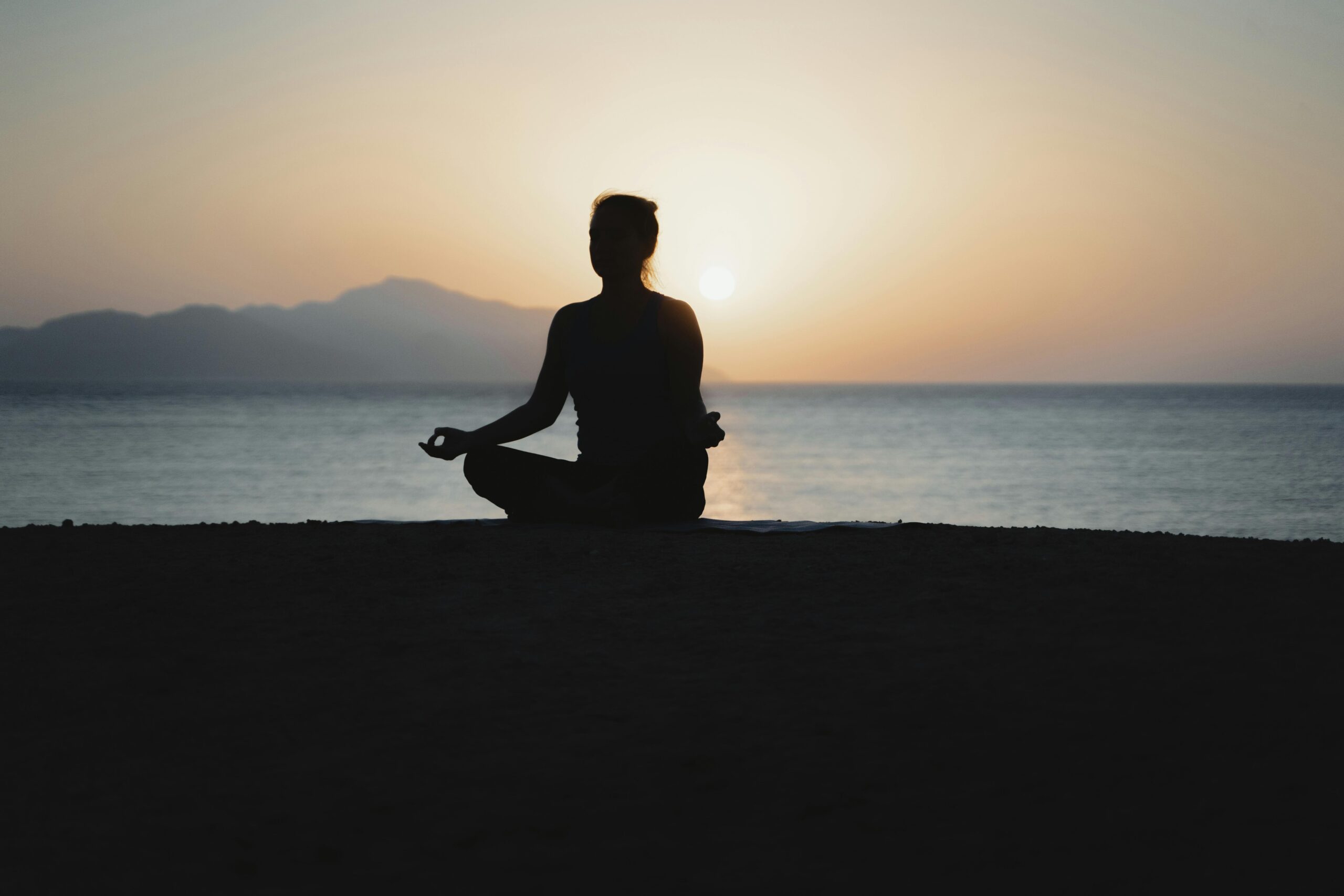
Anxiety can show up in different ways. Racing thoughts, muscle tension, irritability, restlessness, rapid heartbeat, or that familiar feeling of being “on alert” even when nothing is wrong. While anxiety is a natural part of being human, it can start to impact sleep, relationships, work, and overall well-being when it becomes constant or overwhelming.
The good news: there are gentle, natural ways to support your nervous system. These approaches don’t replace therapy or medical care, but they can help you feel more grounded, connected, and in control of your emotional landscape.
Here are 10 practical, accessible strategies to naturally manage anxiety, especially helpful for folks who prefer holistic, body-honoring tools.
1. Practice Grounding Through Your Senses
Anxiety pulls you into the future; grounding brings you back into the present.
Try the 5-4-3-2-1 method:
- 5 things you can see
- 4 things you can touch
- 3 things you can hear
- 2 things you can smell
- 1 thing you can taste
This sensory reset can interrupt spiraling thoughts and reconnect you to your environment.
2. Focus on Slow, Intentional Breathing
Your breath is one of the quickest ways to influence your nervous system.
A simple technique:
Inhale for 4 counts → Exhale for 6 counts
Longer exhales signal your body that it’s safe to relax, easing tension and lowering heart rate.
3. Create a Consistent Daily Routine
Predictability helps soothe an overactive nervous system. A simple morning or evening routine such as stretching, breakfast, journaling, or skincare gives your brain something stable to rely on.
This is especially calming for neurodivergent folks who thrive on structure.
4. Limit Caffeine and Alcohol
Both caffeine and alcohol can intensify anxiety symptoms:
- Caffeine increases heart rate and jitteriness
- Alcohol disrupts sleep and can cause next-day anxiety (“hangxiety”)
Try switching to herbal teas, matcha, or lower-caffeine alternatives.
5. Use Movement to Release Stored Tension
You don’t need a full workout. Gentle movement can shift your mood quickly. Consider:
- Walking outdoors
- Yoga or stretching
- Dancing around your living room
- Shaking your hands, arms, and legs for 20–30 seconds
Movement helps release the physical stress hormones that build up when you’re anxious.
6. Practice Mindful Distraction
Not all distraction is avoidance. Sometimes it’s a tool. Mindful distraction helps you redirect your focus when your thoughts feel too loud, such as:
- Listening to your favorite playlist
- Tidying a small space
- Cooking a comforting meal
- Playing a short game
The key is choosing something grounding rather than numbing.
7. Stay Connected to Supportive People
Anxiety often makes people isolate, but connection regulates the nervous system. Reach out to:
- A friend who “gets it”
- A partner
- A family member
- A support group or online community
Co-regulation — feeling safe with another person — helps your body settle.
8. Try Journaling to Untangle Your Thoughts
You don’t need to write something profound. Simply letting your thoughts spill onto the page can reduce mental clutter and reveal patterns or triggers.
Try prompts like:
What is my anxiety trying to protect me from?
What do I need right now?
What’s one small step I can take today?
9. Prioritize Rest and Quality Sleep
Sleep and anxiety influence each other. A few ways to improve your nights:
- Dim the lights an hour before bed
- Avoid screens close to bedtime
- Keep your bedroom cool and quiet
- Try a weighted blanket for comfort
Your brain can process stress more effectively when it’s rested.
10. Consider Therapy for Deeper Support
Natural strategies help, but therapy provides long-term tools to understand and regulate anxiety. Working with an affirming therapist, especially one who understands trauma, identity, neurodivergence, or complex relationships, can make your healing feel safer and more sustainable.
Online therapy allows you to receive support from the comfort of your home, on your schedule, and without the pressure of traveling to an office.
You Deserve Support That Honors Your Whole Self
Anxiety doesn’t have to dictate your life. With the right tools, compassion, and support, you can build a calmer, more grounded relationship with your mind and body.
If you’re ready to explore anxiety therapy with a warm, affirming, trauma-informed clinician, Life Is a Song Therapy is here to support you exactly as you are.